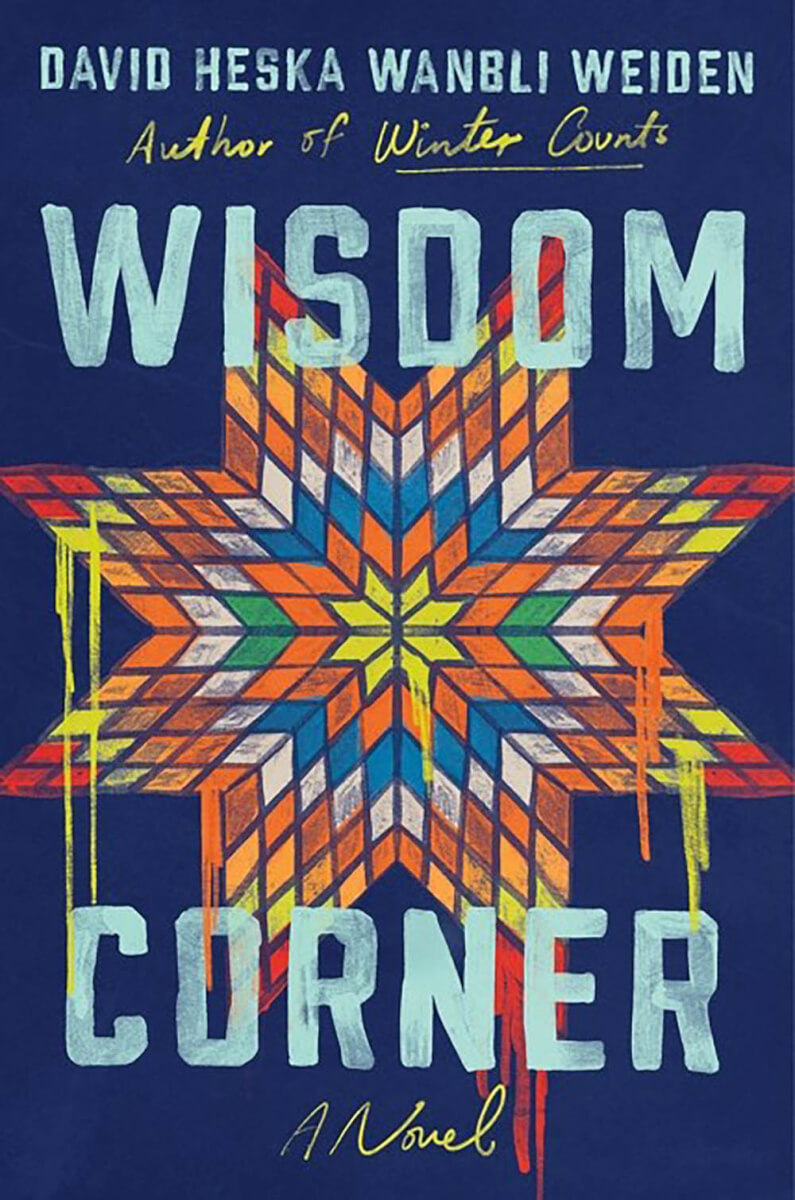
The Rosebud Reservation in South Dakota—the setting for my novel Wisdom Corner—remains one of the most impoverished areas in the United States. More than half of the residents live below the federal poverty line, unemployment rates top 75% and many citizens live in substandard, overcrowded housing while battling food insecurity. However, as a young child spending summers on the reservation, I understood none of this. Growing up in the poorest neighborhood in Denver with parents struggling to pay bills, I was simply happy to visit my family on the rez. It wasn’t until college and law school that I began to comprehend the many legal and economic challenges that Indigenous nations face, and how the American political system hinders attempts to bring meaningful change to these areas.
In my first week in law school, I was shocked to read the decision in Johnson v. McIntosh (1823), where the Supreme Court ruled that private citizens could not purchase property from Native Americans because Indigenous citizens—who had allegedly been “conquered”—do not possess legal title to those lands! I also learned that the practice of Indigenous spirituality was made a criminal offense until 1978, and that, starting in the late 1800s, most Native children were forced to attend distant boarding schools, where they were stripped of their culture and often physically and sexually abused. And I learned much later that crime rates are very high on many reservations due to the effects of the federal Major Crimes Act, which prevents Native nations from prosecuting felony crimes that are committed on their own lands and instead gives that authority to federal officials, who decline to investigate a substantial percentage of those cases.
Read our starred review of ‘Wisdom Corner’ by David Heska Wanbli Weiden.
As a professor of Native American studies, I studied and wrote about these issues in various academic forums. As a lawyer, I volunteered my time for Native nonprofit organizations. But I made the turn to writing fiction in midlife, and this has brought the most personal satisfaction—and may even have had the greatest impact in terms of raising awareness of these issues.
My fictional protagonist, Virgil Wounded Horse, is a hired vigilante—the person on the reservation who can obtain justice for those victims left behind by traditional law enforcement. Virgil takes on the violent criminals and abusers of the rez, all for the price of $100 for each bone he breaks or tooth he knocks out. But Virgil is much more than a thug—he’s dedicated to his girlfriend, Marie, and his nephew Nathan. Although he’s not formally educated, he’s a thoughtful person who struggles with the morality of vigilantism and cares deeply about justice. His journey forces him to confront difficult questions about himself and his community.
Crime fiction has been called “the new literature of resistance,” and I completely agree. I’m hoping that readers will leave the novel with a better understanding of the broken criminal justice system on reservations as well as a sense of life as a Native American in the 21st century. In the end, Wisdom Corner is a novel about people who are struggling to serve their families and their community in the most difficult of circumstances.
Picture of David Heska Wanbli Weiden by Aslan Chalom.